Matter Protocol
Matter Protocol – The Future of Smart Home Connectivity
By Adeline Bowers
Introduction: Ending the Smart Home Fragmentation
For years, the smart home industry has been plagued by fragmentation. Different brands, different protocols, different ecosystems – it felt like you needed a degree in computer science just to automate your lights.
Enter Matter – the new universal smart home standard that’s promises to finally unite the fragmented world of home automation.
What is Matter?
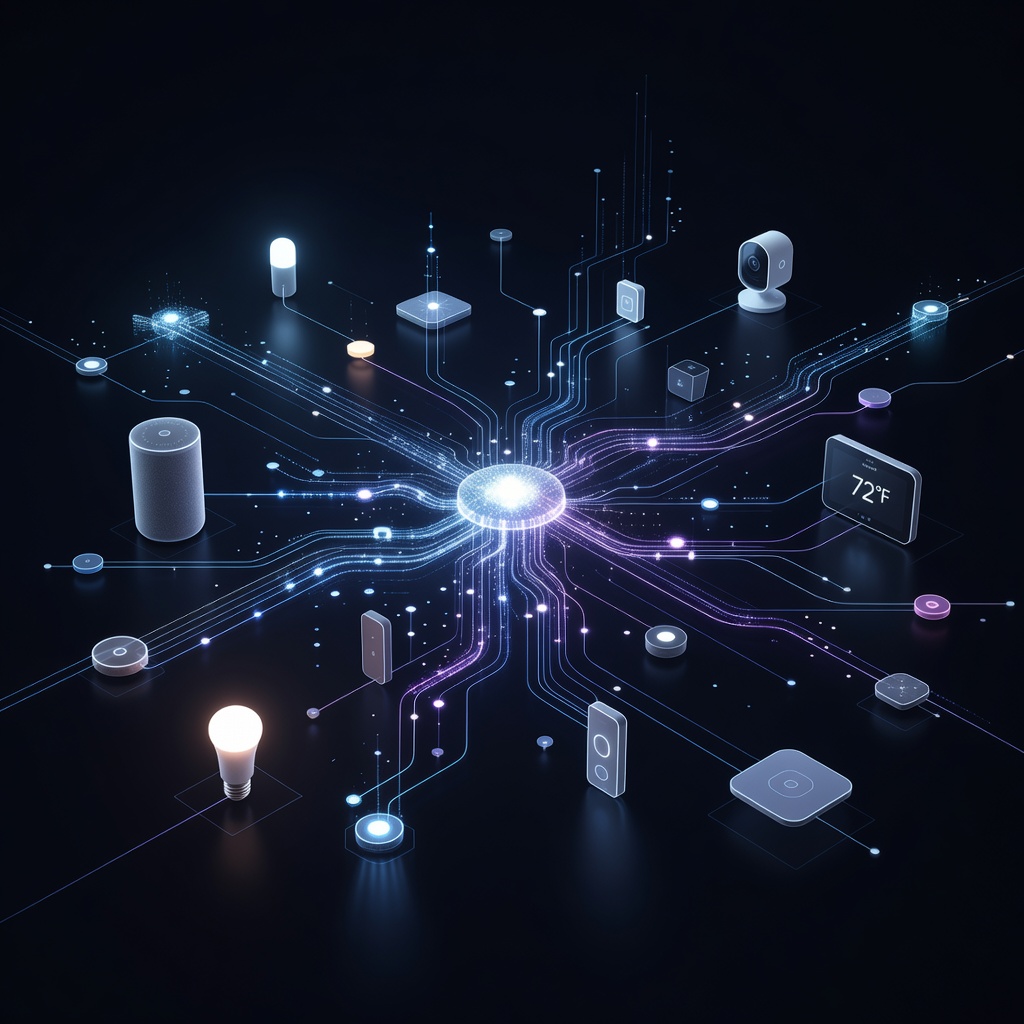
Matter is an open-source, royalty-free connectivity standard developed by the Connectivity Standards Alliance (formerly Zigbee Alliance). Backed by Apple, Google, Amazon, and Samsung, it represents unprecedented industry cooperation.
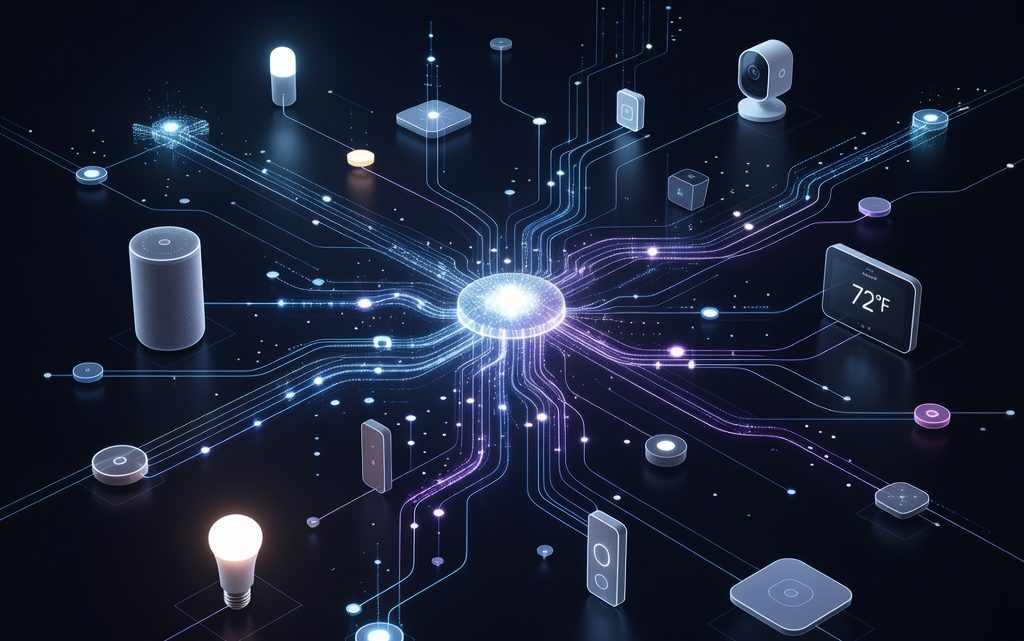
Think of Matter as a universal translator for smart home devices – it allows devices from different manufacturers to communicate seamlessly, regardless of whether they’re designed for Alexa, Google Home, Apple HomeKit, or SmartThings.
Key Features of Matter
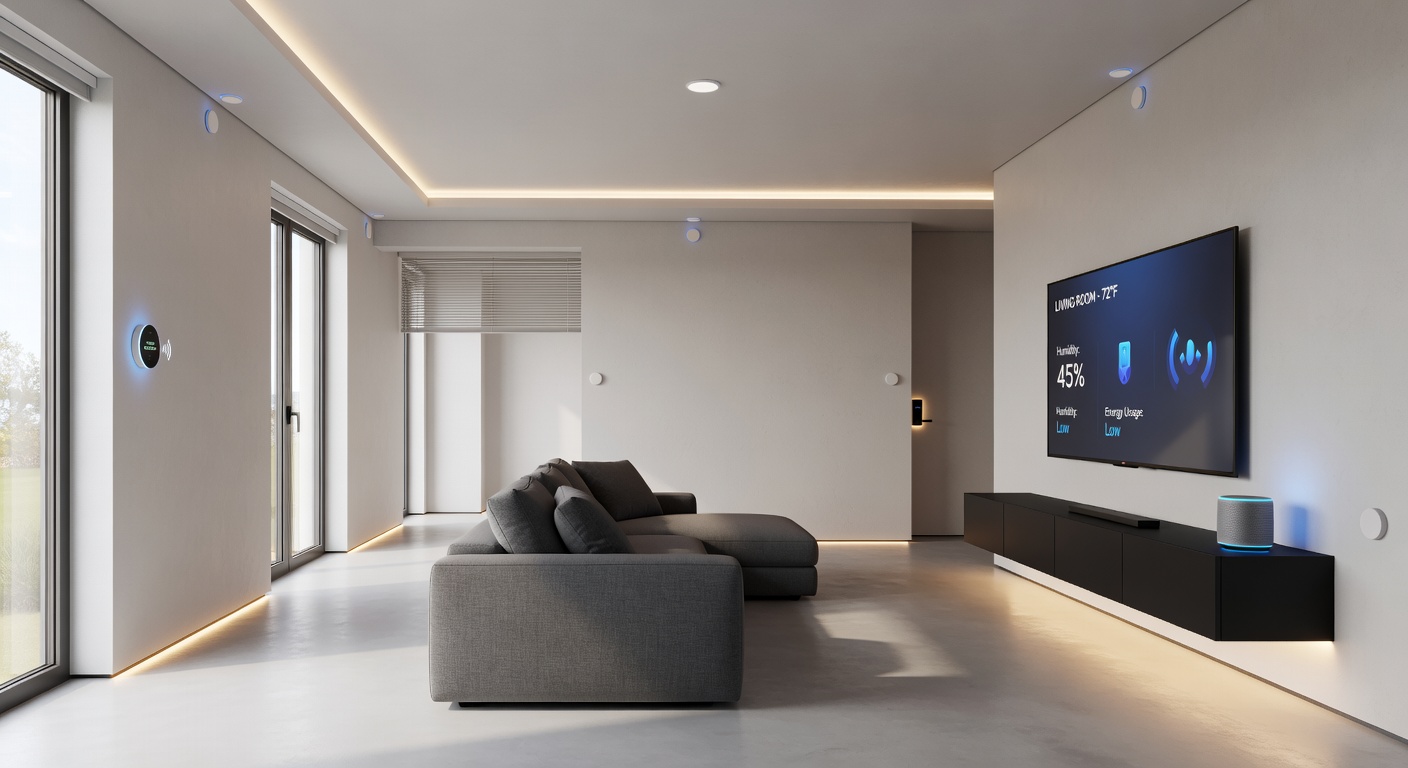
- Universal compatibility – Works with Alexa, Google, Apple HomeKit, and more
- Local processing – Devices communicate directly, reducing latency
- Enhanced security – Built-in encryption and authentication
- Easy setup – QR code or NFC pairing simplifies installation
- Automatic updates – Matter devices can receive updates over the air
- Low power – Designed for battery-powered devices
How Matter Works
Matter operates over Wi-Fi, Ethernet, or Thread (a low-power mesh networking protocol). Here’s what makes it special:
Thread: The Backbone
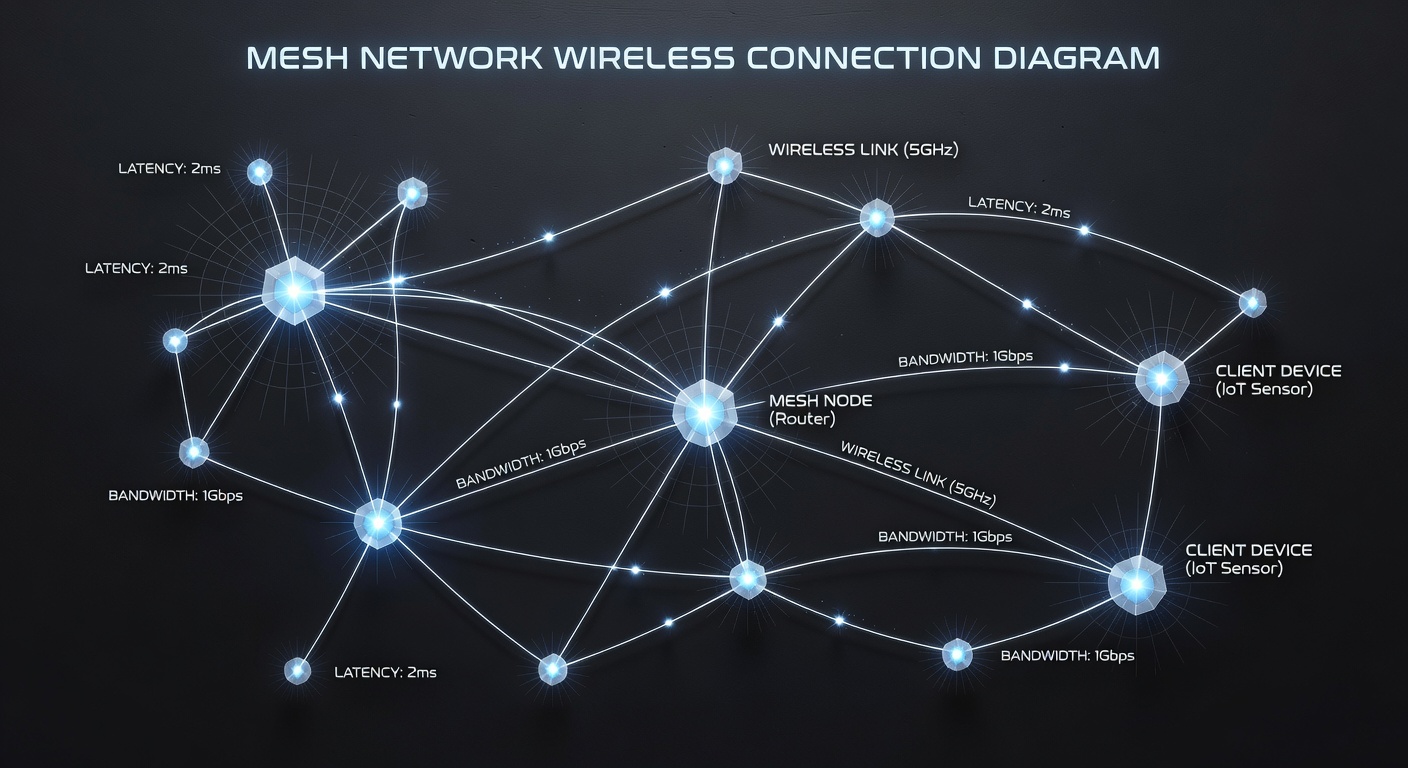
Thread provides the low-power mesh networking that Matter devices use to communicate. Unlike traditional Zigbee, Thread creates a self-healing mesh network where every device can act as a router.
Key Thread benefits:
- Extremely low power consumption
- Long range through mesh networking
- No single point of failure
- Works locally without cloud
Matter vs. Traditional Protocols
| Feature | Matter | Zigbee | Z-Wave |
|---|---|---|---|
| Compatibility | Universal | Limited | Limited |
| Setup | QR/NFC | Complex | Complex |
| Local Control | Yes | Usually | Usually |
| Security | Built-in | Optional | Strong |
| Future-proof | Yes | Aging | Limited |
What Works with Matter?
Major manufacturers are already shipping Matter-compatible devices:
- Lighting: Philips Hue, LIFX, Nanoleaf, Govee
- Plugs: TP-Link, Eve, Wemo
- Thermostats: ecobee, Honeywell, Google Nest
- Locks: Yale, Schlage, Aqara
- Sensors: Aqara, Eve, Netatmo
- TVs: Samsung, LG, Sony (select models)
Getting Started with Matter
To use Matter devices, you’ll need:
- A Matter controller – This can be your existing smart speaker (Echo, Nest Hub, Apple HomePod) or a dedicated Matter hub
- Matter-compatible devices – Look for the Matter logo on packaging
- A smartphone – For initial setup via the manufacturer’s app
The Future is Matter
Matter represents the biggest shift in smart home technology since the introduction of wireless protocols. For the first time, consumers can buy any device knowing it will work with their existing setup – no more protocol compatibility research required.
As more devices ship with Matter support and more manufacturers abandon proprietary protocols, we’re entering a new era of smart home simplicity.
Adeline Bowers is a Senior Cloud Architect at Google Cloud Platform and writes about emerging technologies that simplify our lives.