
ESP32
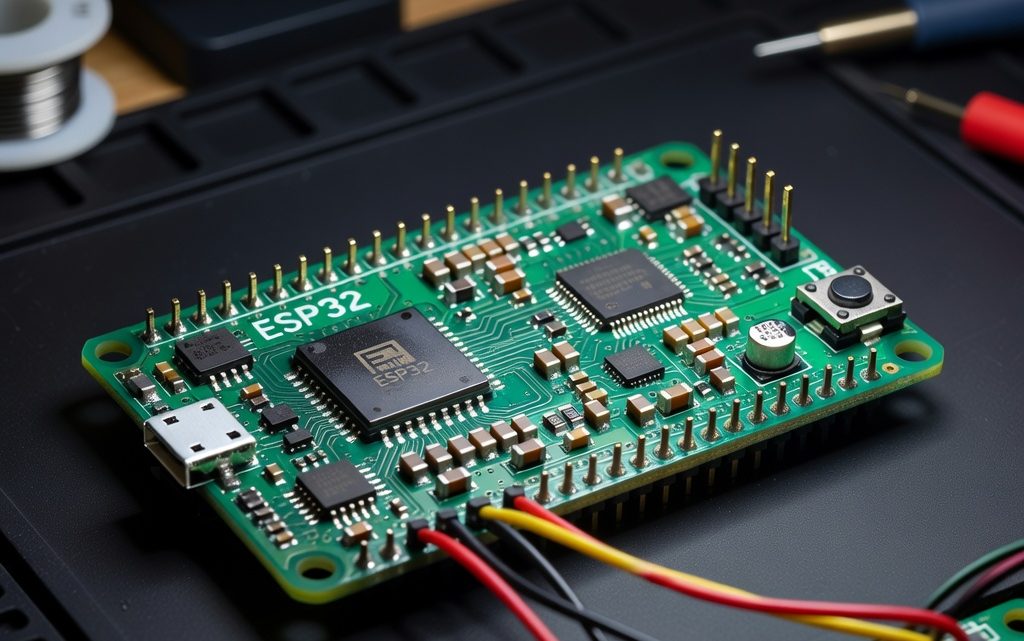
ESP32 – The Heart of Modern Smart Home DIY Projects
By Adeline Bowers
Introduction: Why ESP32 Rules DIY Smart Homes
When it comes to building your own smart home devices, one chip has become the undisputed champion: ESP32. This powerful microcontroller from Espressif Systems combines Wi-Fi, Bluetooth, and incredible versatility in a tiny, affordable package.
Whether you’re building a smart clock, energy monitor, or automated blinds controller, ESP32 provides the perfect foundation for DIY home automation projects that integrate seamlessly with Home Assistant.
What Makes ESP32 Special?
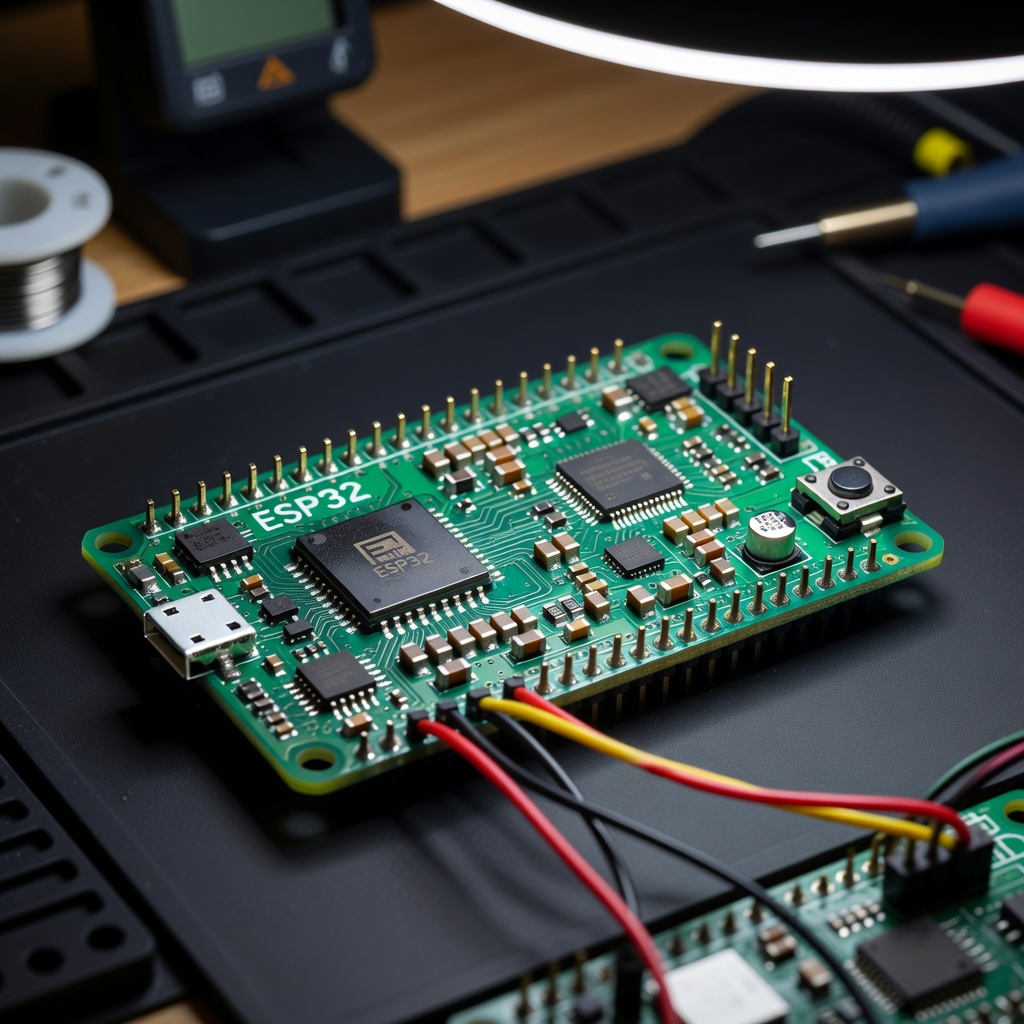
The ESP32 isn’t just another microcontroller. It’s a complete system-on-a-chip (SoC) that includes:
- Dual-core processor running at up to 240 MHz
- Integrated Wi-Fi (802.11 b/g/n) for direct internet connectivity
- Bluetooth 4.2 and BLE for short-range communication
- Generous I/O options including GPIO, ADC, DAC, SPI, I2C, and UART
- Ultra-low power consumption with multiple sleep modes
- Affordable price – typically under $5 for a development board
Popular ESP32 Projects for Smart Homes
Smart Pixel Clocks
One of the most popular ESP32 projects is the Ulanzi TC001 Pixel Smart Clock. This device displays time, weather, sensor data, and custom notifications – all integrated with Home Assistant via the Awtrix 3 firmware.
Key features:
- ESP32-powered with Wi-Fi connectivity
- Displays custom text, sensor readings, and notifications
- Easy flashing via web flasher – no soldering required
- Can function as a night light
Energy Monitoring
Build your own real-time energy monitoring system using ESP32 combined with the BL0942 energy meter chip. Monitor voltage, current, and power consumption directly in Home Assistant.
Smart LED Controllers
Create personalized lighting solutions using ESP32 with WLED firmware. Control addressable LED strips with app control, music sync, and Home Assistant integration – all for under $25.
Custom Sensor Arrays
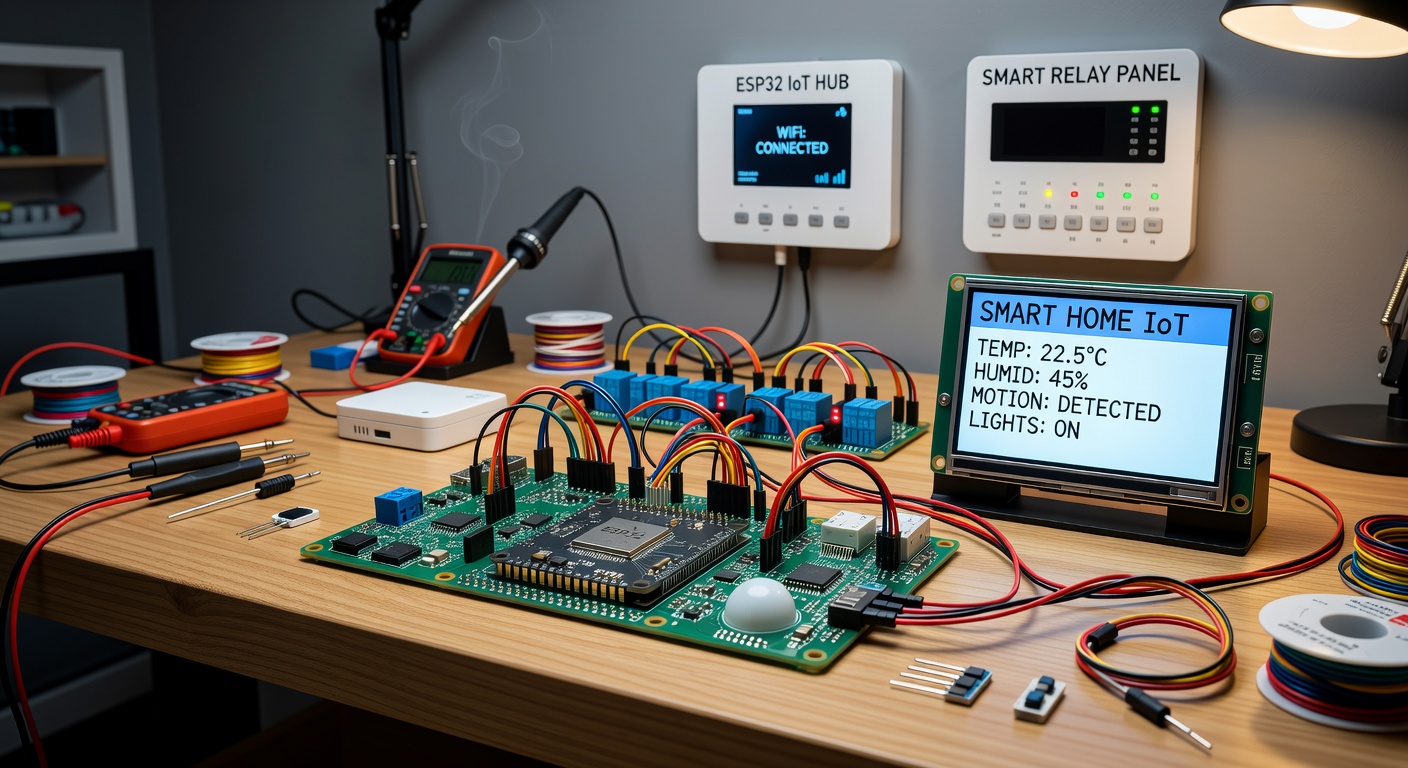
ESP32 interfaces perfectly with temperature sensors, PIR motion detectors, photocells, and dozens of other sensors – perfect for building a comprehensive home sensor network.
Programming ESP32 for Home Assistant
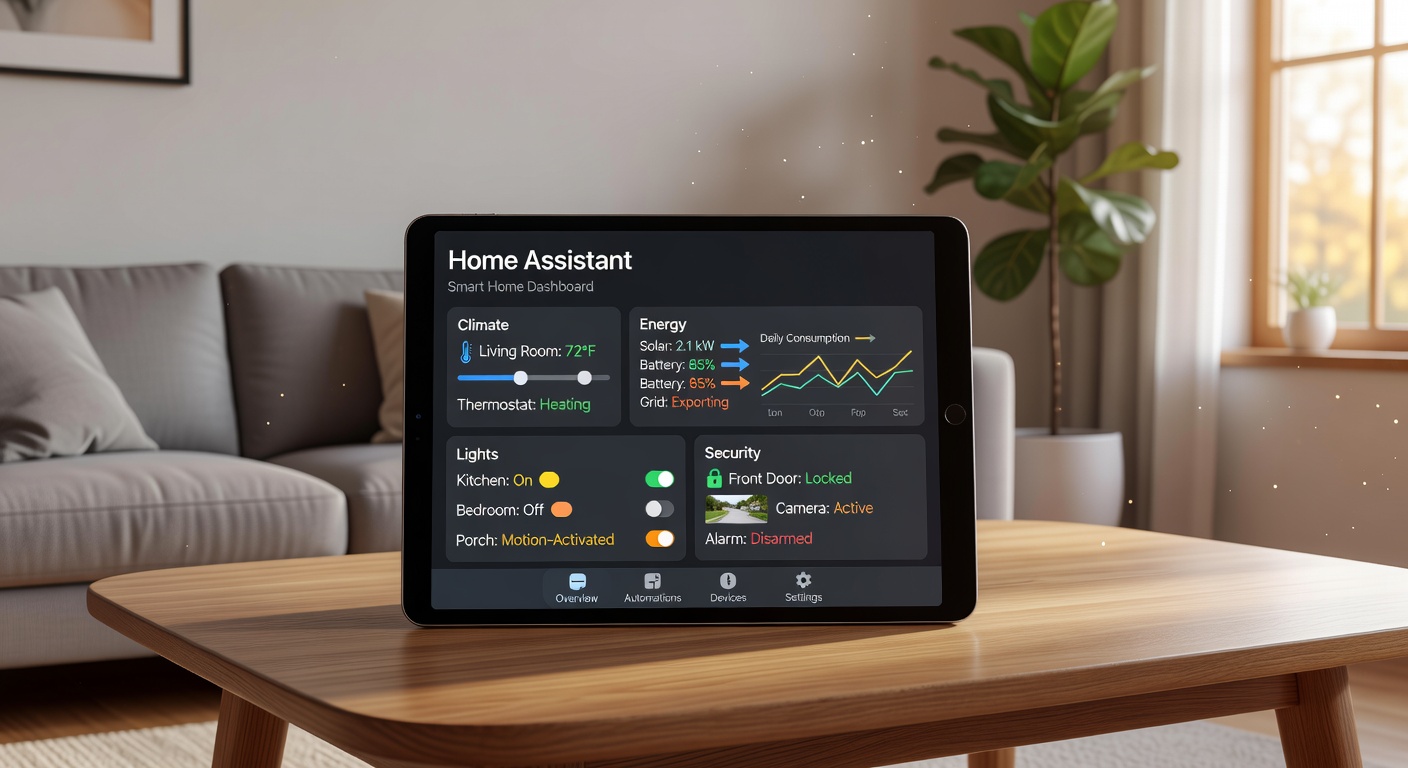
There are several ways to program ESP32 devices for Home Assistant:
ESPHome
The most popular option, ESPHome allows you to configure ESP32 devices using simple YAML files. It integrates natively with Home Assistant and supports hundreds of components.
Tasmota
For those who prefer a more traditional approach, Tasmota provides a web-based configuration interface and extensive MQTT integration.
Arduino IDE
For custom projects, the Arduino IDE provides full programming flexibility with access to the ESP32 Arduino core.
Conclusion
ESP32 has democratized smart home automation. Whether you’re a maker building your first project or an experienced home automator, ESP32 offers the perfect combination of power, versatility, and affordability.
The only limit is your imagination – and with ESP32, that’s no limit at all.
Adeline Bowers is a Senior Cloud Architect at Google Cloud Platform and a passionate smart home enthusiast. She writes about emerging technologies and DIY home automation projects.